
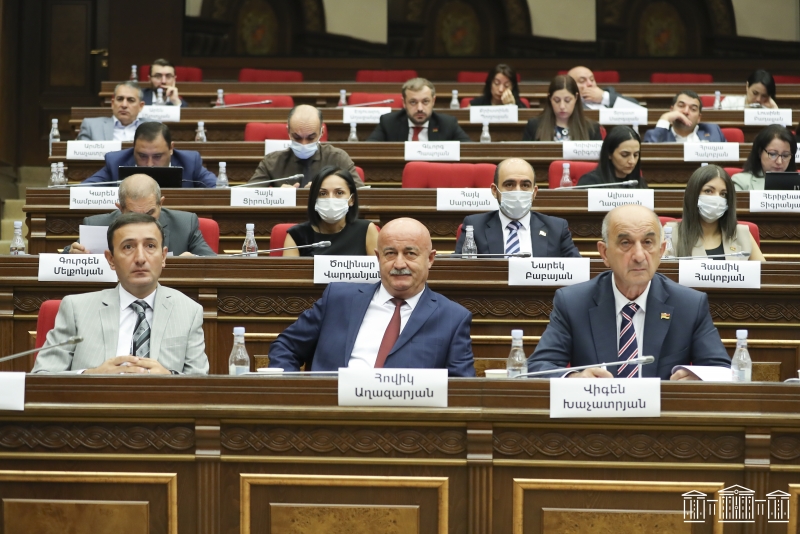
Today, over 60% of voters are in a state of apathy and unwilling to engage in political processes. However, this situation could change at any moment, and those who can technically and skillfully seize emerging opportunities may significantly influence the course of events. This perspective is shared by political scientist Alexander Iskandaryan.
Who Benefits from Ongoing Apathy?
According to Iskandaryan, a certain number of citizens consistently support the current government for social reasons, a sense of duty, or other motives. Their numbers are small and unlikely to grow significantly. There are also those who consistently oppose the government, though their numbers are also limited and would only increase under extraordinary circumstances. The rest, as Iskandaryan notes, fall into a zone of political apathy—a key factor in the current landscape.
“If things remain as they are,” he explains, “voter turnout will be low, with only a minority showing up at the polls. In such conditions, with competent technical mobilization, the government can secure victory. Under the current Constitution, this is entirely feasible. The only condition is that those 60% don’t ‘wake up.’ But they might.”
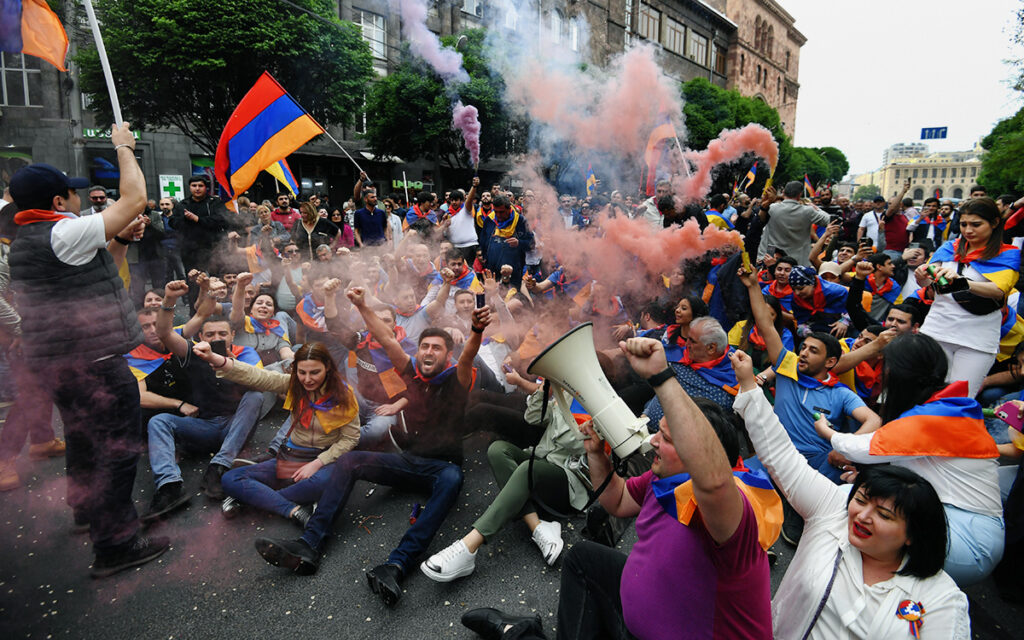
2017-2018: From Apathy to Explosion
To illustrate, Iskandaryan recalls the 2017 elections, when a significant portion of society participated in voting without enthusiasm, often for financial incentives—“they took their 10,000 drams and cast ballots for the expected candidates.” Yet, just a year later, these same people took to the streets, sparking a revolution. This, he argues, shows that everything depends on the presence of a political channel—a mechanism to transform accumulated societal discontent and apathy into active action.
According to Iskandaryan, anyone in Armenia remembers how the protest movement formed before the 2018 revolution. “It started with Mashtots Park, continued with protests against the closure of the Covered Market, then demonstrations to save the ‘Moscow’ cinema, against the deforestation in Teghut, against electricity tariff hikes (‘Electric Yerevan’), and against rising transport costs. These weren’t just social movements—they had a political undercurrent,” he explains.
He emphasizes that he personally attended all these protests for professional observation and can confidently say he saw the same people at each event: “I recognized their faces—it was clear this was a form of political action. No one person is simultaneously passionate about trees, cinemas, tariffs, and markets. This was political energy building up until it exploded. And then Pashinyan and his team skillfully capitalized on the situation, turning the protest into an organized political movement.”
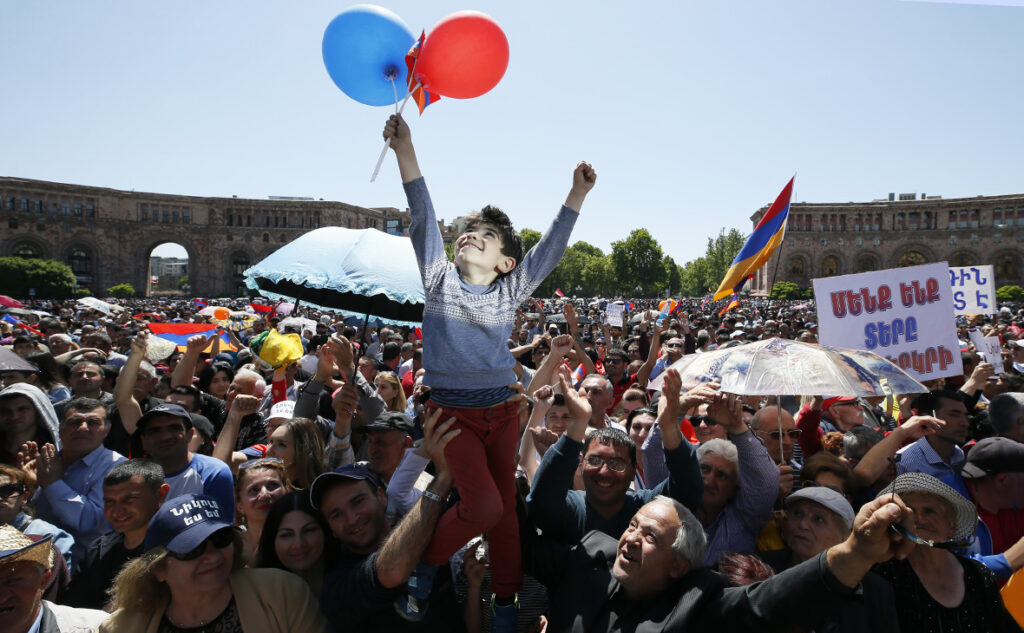
Forming a Protest Environment Takes Time, and That Time Hasn’t Come Yet
Iskandaryan draws an important conclusion: building such a protest environment requires time. “The process is only beginning now. Perhaps the movement led by Archbishop Bagrat marks its symbolic start. This is telling—protests are seeking expression outside formal politics. People distrust the government, the opposition, and the system as a whole. So, attention turns to figures not previously associated with politics. But this is only just emerging,” he believes.
When asked whether this process could unfold in just one year, Iskandaryan responds cautiously: “I wouldn’t make predictions. Yes, a year is significant in terms of an electoral cycle, but it’s too short for something to emerge, take shape, and institutionalize in a way that can break through the political reality. That’s an extremely complex task. The leader’s identity is secondary—what matters is the process itself. Remember: how many people, a year before the 2018 revolution, predicted that Pashinyan would become its face? He was known but not seen as a future leader of change. Almost no one knew his allies. So, based on logic and experience, we can assume that repeating such a scenario requires time. And, as it seems to me, that time hasn’t come yet.”