
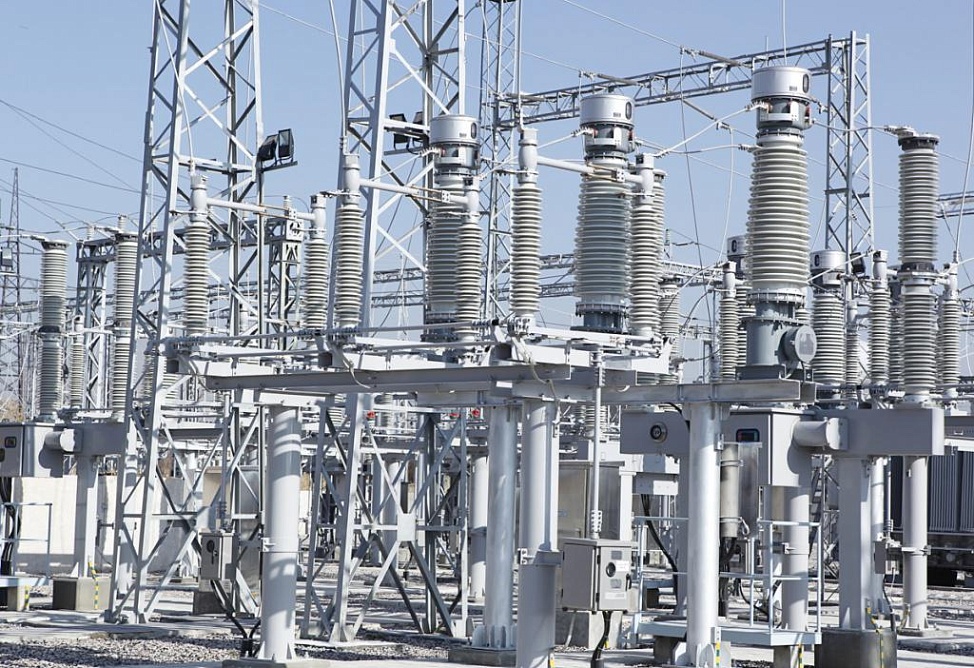
Several key projects within Armenia–Iran energy cooperation may be at risk amid the complex situation in Iran. This was stated by UN national energy expert Ara Marjanyan.
Projects under uncertainty
According to the expert, the current difficult situation in Iran and uncertain prospects are negatively affecting regional energy initiatives. In particular, the commissioning of the third Armenia–Iran high-voltage transmission line, planned for 2026 with a 400 kV capacity, is under threat.
Marjanyan also noted that the construction projects of hydropower plants in Meghri remain uncertain.
At the same time, the “gas for electricity” cooperation continues, under which Armenia imports gas from Iran and exports electricity. However, according to the expert, the utilization level of this program currently stands at only 30–33% of its nominal capacity, and the prospects for its full operation are also at risk.
Impact of geopolitical tensions
According to Marjanyan, recent developments have intensified not only the regional geopolitical situation but have also directly affected energy transportation routes and the implementation of energy projects.
He recalled that several years ago a synchronization station was opened in Agarak, enabling the synchronization of Armenia’s and Iran’s energy systems. This process is also at risk. The expert pointed to potential technical risks associated with strikes on Iran’s energy infrastructure or accidents.
According to him, if major energy facilities in Iran are damaged, the synchronized operation of the two countries’ energy systems may be disrupted. In such a case, automatic systems would disconnect the transmission lines between Armenia and Iran, leading to a halt in electricity exports and the suspension of the “gas for electricity” arrangement.
Armenia’s energy self-sufficiency
Despite these risks, Marjanyan emphasizes that Armenia’s energy system remains stable. According to him, even if the connection with Iran is disrupted, the country will not face serious problems.
“The peculiarity of Armenia is that, from an energy perspective, it is self-sufficient, and in some respects even surplus,” the expert noted.
In his assessment, even in the most adverse scenario, Armenia’s electricity system will continue to operate in a normal mode without significant disruptions.
Armenia’s export potential
Marjanyan stresses that Armenia’s energy system remains stable and has significant export potential.
According to him, discussions have recently intensified regarding potential energy cooperation with Turkey, primarily in the electricity sector.
The expert presented comparative data to highlight Armenia’s potential: the country has a population of around 3 million and an area of approximately 29,000 square kilometers, while Turkey has about 87 million people and Iran around 92 million.
“Armenia exports as much electricity annually as these large countries,” he noted, emphasizing that Armenia is effectively a surplus country in terms of electricity.
According to Marjanyan, Turkey has long been and will continue to be an electricity-deficit country due to high demand. Therefore, if Armenia–Turkey high-voltage lines are reactivated, cooperation will mainly take the form of electricity exports from Armenia to Turkey.
At the same time, he noted that the energy market is flexible, and reverse flows — electricity imports from Turkey — are also possible if necessary, although the general logic will remain export-oriented.