
Despite the significant enthusiasm following the Washington meeting and assurances from the authorities that the agreements reached in the US would inevitably impact Armenian-Turkish relations, no substantial progress has been recorded. The recent meeting of the special representatives of the two countries served as clear confirmation of this: the parties merely agreed to begin implementing agreements reached two years ago.
“High Expectations, but No Real Results”
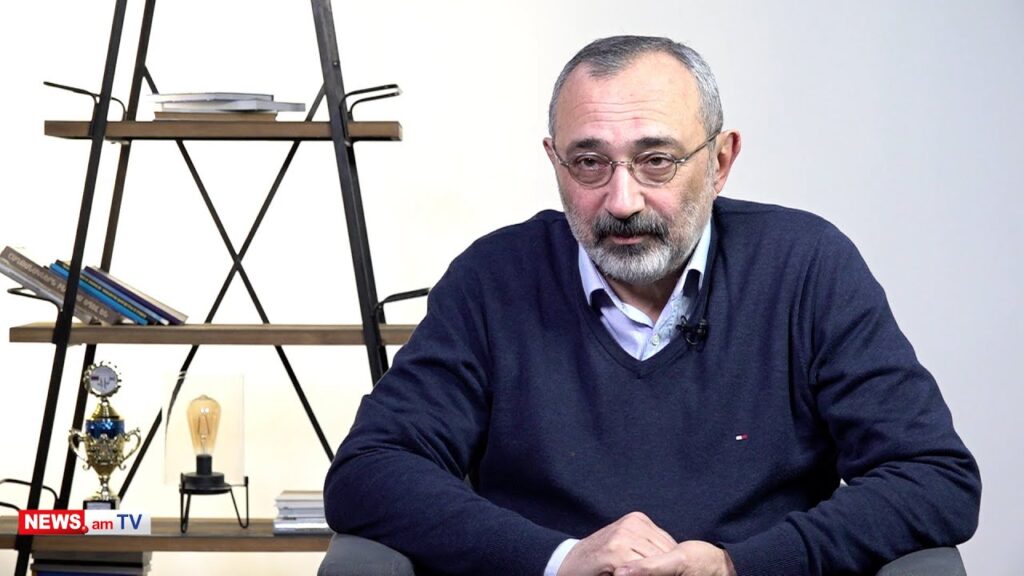
Karen Mirzoyan, former Minister of Foreign Affairs of Artsakh, has critically assessed the recent visit of Turkey’s special representative to Armenia, noting that the process brought no new emphasis or outcomes. According to him, the visit was largely formal in nature:
“There are no real processes here. It’s about implementing old agreements reached two years ago. Notice how the pro-government media covered this visit: beforehand, they built up great expectations, but afterward, their reactions were extremely subdued. In the end, it became clear that nothing new was said—just a repetition of previously expressed ideas and a reaffirmation of commitment to existing agreements.”
In Mirzoyan’s view, if the meeting was purely formal, it raises questions about its true purpose. He noted that in diplomacy, it is common to create the appearance of activity to give the impression that a process is underway. However, it remains unclear whether this effort to create such an impression was mutual or driven solely by the Turkish side. “If this was only Turkey’s initiative, why did the Armenian side engage in this game with such enthusiasm, essentially playing on Turkey’s field?” Mirzoyan asked.
“If there’s no news, what’s the point of continuing empty rhetoric? This [meeting] took place against the backdrop of the Turkish Foreign Minister’s statement that the borders with Armenia would only be opened after constitutional changes and the completion of elections. This is a clear message,” he added.
“The Armenian Side is Playing on Turkey’s Field”
The former diplomat emphasized that he has been involved in Armenian-Turkish interactions since the 1990s and finds it unacceptable when current political figures ignore this history:
“Some individuals active today have no understanding of what has transpired over the past 30 years, what contacts have taken place, and what their essence was. They try to justify their current mistakes by building a convenient narrative based on out-of-context statements.”
Mirzoyan recalled that the Armenian side has always advocated for the recognition of the Armenian Genocide:
“We have never set this as an official precondition, but we have always conveyed that the Genocide is a historical fact that Turkey must respect. In some cases, this has even been met with understanding from the Turkish side.”
Dangerous Deviation from the Foundations of Identity
According to Mirzoyan, there is a concerning trend of concessions, particularly regarding the issue of the Genocide:
“When Ararat Mirzoyan says that this is not a priority on our agenda, it’s already a serious signal. And when there’s talk about clarifying the number of victims, it’s not only a display of ignorance but simply disgraceful. This topic is constantly kept on the agenda in pro-government circles.”
He believes this should be viewed in a broader context—as an attempt to redefine Armenian identity:
“The country’s leadership has repeatedly stated, both on official platforms and through educational programs led by the Prime Minister and his spouse, that a new ideology and a new image of an Armenian must be formed. If the authorities seek to abandon the commemoration of the Genocide, revise our history, Mount Ararat, and other values, then we are talking about reshaping our identity. This is a highly dangerous and criminal step.”
Mirzoyan emphasizes that no political force has the right to make such decisions on behalf of the entire nation:
“The Armenian people are not just the Republic of Armenia. They include the diaspora and those individuals who are ready to make any sacrifice for the recognition of the Genocide and for Mount Ararat. Such actions are unacceptable and criminal.”