
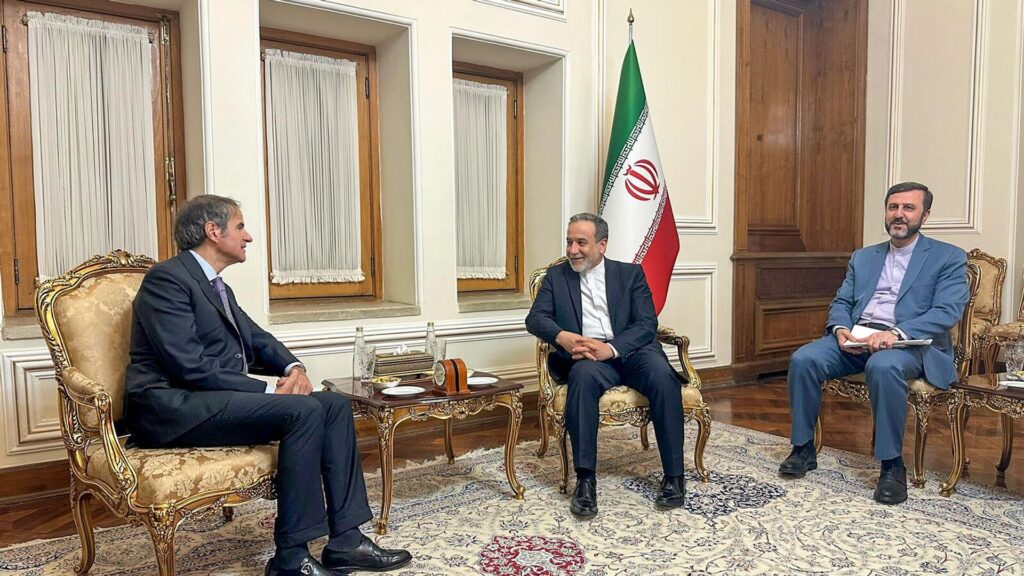
Negotiations around Iran are entering a new stage in which Tehran is not only participating in shaping the agenda but is also attempting to define its structure. This assessment was provided by analyst Aram Shahnazaryan.
According to him, Iran currently feels confident enough to propose a phased negotiation model, which has been communicated to the United States through mediators, including via Islamabad.
A phased negotiation model
The proposed framework consists of three sequential stages. The first focuses on ending military hostilities and securing reliable guarantees. For Iran, this is a fundamental issue, given past experiences where tensions escalated even during negotiations.
“Iran seeks assurances that military actions will not resume during the negotiation process,” Shahnazaryan explains.
The second stage addresses the Strait of Hormuz, a critical element of global energy security. Iran aims to bring discussions about its legal status into the negotiation framework, proposing a model of joint control with Oman.
In this context, the Iranian foreign minister’s regional visits, including to Islamabad and Oman, are seen as efforts to establish the political and legal groundwork for such an approach.
The third stage would involve returning to negotiations on the nuclear program, marking a shift from earlier formats where this issue dominated from the outset.
Iran’s “red lines”
Iran maintains clearly defined positions on key issues. According to Shahnazaryan, two points are particularly non-negotiable.
The first is the right to uranium enrichment, which Tehran considers a sovereign entitlement. The second concerns existing enriched uranium stockpiles, which are unlikely to be removed from the country, although adjustments to enrichment levels may be discussed.
These positions narrow the scope of negotiations but also clarify the boundaries within which compromise may occur.
A new phase without guaranteed outcomes
The analyst does not rule out that this phased approach could form the basis for future negotiations. However, the outcome will depend on counterproposals and the alignment of mutual interests.
Overall, Iran appears to be reshaping the negotiation logic by prioritizing security guarantees and strategic control before addressing the most sensitive nuclear issues, reflecting a broader reassessment of regional power dynamics.