
Armenia continues its constitutional reform process, with the working group holding sessions in an intensive format. Several key directions have already been reviewed, including revisions to parliamentary powers, modernization of the electoral system, and strengthening the balance between branches of government.
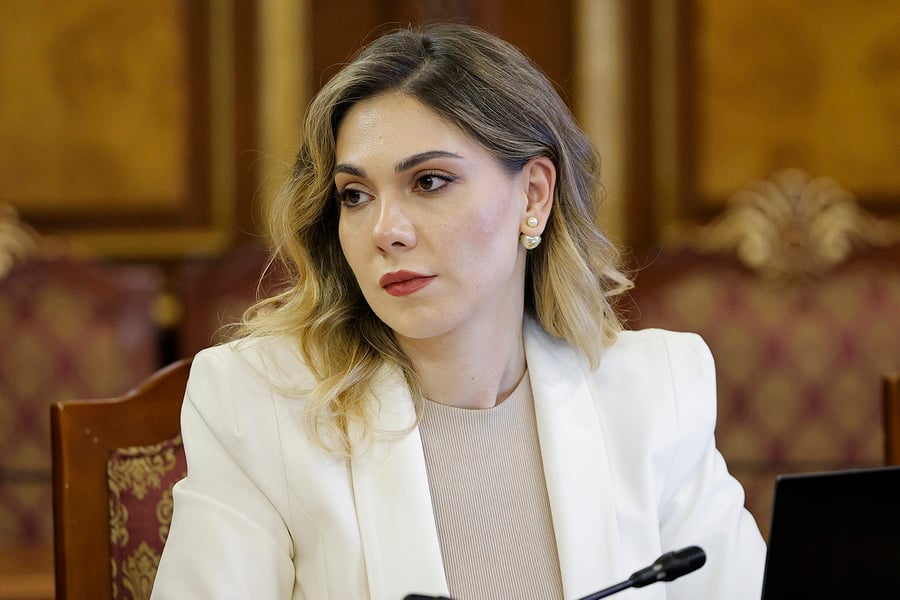
According to Justice Minister Srbuhi Galyan, recent discussions have focused on the relationship between the National Assembly and the executive, the role of parliamentary committees, and potential Justice Minister Srbuhi Galyan noted that recent discussions have focused on the relationship between the National Assembly and the executive branch. The role of parliamentary committees and possible models for new election procedures were also part of the agenda.
Parliament’s New Power to Self-Dissolve
The working group approved the idea of expanding the authority of parliamentary committees. Under the proposal, these committees will be able to provide advisory opinions on appointments within the executive branch. According to the minister, this will strengthen parliamentary oversight.
A new mechanism for self-dissolution of Parliament has also been accepted. The details are still being finalized, but the main idea is clear. Parliament will be able to dissolve itself through its own initiative and vote. This can be done without complicated procedures or artificial steps.
The current draft suggests that one-third of MPs may initiate the process. It would then require approval by two-thirds or three-fifths of the National Assembly. The minister added that safeguards are being prepared to prevent misuse of this mechanism.
The working group also approved the creation of a permanent Ethics Committee. Its goal is to improve transparency and the overall quality of parliamentary work.
Reforming the “Stable Majority” Model
One major change concerns the second round of elections. Under the new approach, if no party gains a stable majority after the first round, the system will no longer move directly to a second round.
Instead, new elections will be held. This will give all political forces equal starting conditions. If a majority is still not formed after these repeat elections, a second round will take place based on the rules set in current law.
Possible Reforms in the Prosecutorial System
Another recent discussion focused on potential reforms to the Prosecutor’s Office. The proposal includes creating a Prosecutorial Council. This body would reduce the vertical structure of the system and ensure more open and balanced governance.
Talks on this topic are still ongoing.