
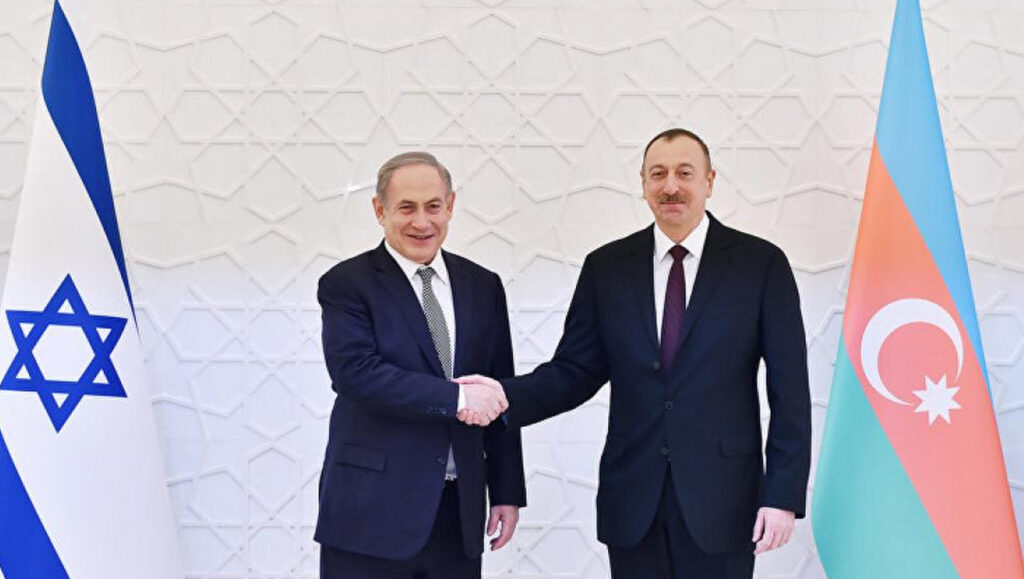
Israel’s decision to begin the process of recognizing the Armenian Genocide has created serious tensions with Azerbaijan. Political commentator Artyom Yerkanyan says Israeli media are already reporting that Baku may respond with tougher measures.
According to him, the reaction from Azerbaijan is even stronger than Turkey’s because relations between Baku and Jerusalem remain strategically important.
Crossing a Red Line
Yerkanyan believes the dispute could become much deeper than it currently appears.
He says Azerbaijani officials expected Israel to take their position into account and viewed the recognition initiative as crossing a political “red line.”
According to Israeli media reports cited by the commentator, Baku believes Israel ignored Azerbaijan’s concerns when approving the initiative.
No Prior Consultations
According to Yerkanyan, Israeli leaders neither consulted Azerbaijan in advance nor informed Baku before the government’s decision became public.
He notes that Foreign Minister Gideon Sa’ar contacted his Azerbaijani counterpart only after the government’s decision had already been reported by the media.
The commentator recalls that during previous discussions of similar initiatives, Israeli officials had consulted Azerbaijan beforehand, and the governing coalition ultimately declined to support the proposal.
He adds that Azerbaijani officials have hinted they could respond by calling on the Knesset to recognize the Khojaly events, although no such proposal is currently under consideration.
Vote Expected Before Parliament Recess
Yerkanyan says the Knesset is expected to debate the issue before the end of the week.
According to him, religious factions delayed the process by introducing amendments to unrelated legislation.
Since parliament is expected to dissolve before July 17, he believes the vote must take place before the current legislative session concludes.
Broad Support Inside the Coalition
The initiative was introduced by Dan Illouz of the ruling Likud party and Akram Hasson of New Hope, another member of the governing coalition.
Yerkanyan notes that Foreign Minister Gideon Sa’ar, who leads New Hope, is expected to present the proposal before parliament.
In his assessment, the governing coalition has largely reached a consensus on the issue.
He believes that even lawmakers opposed to the initiative are more likely to abstain than vote against it.
With much of the opposition also supporting recognition, Yerkanyan does not expect major obstacles if the proposal reaches a vote before the parliamentary session ends.