
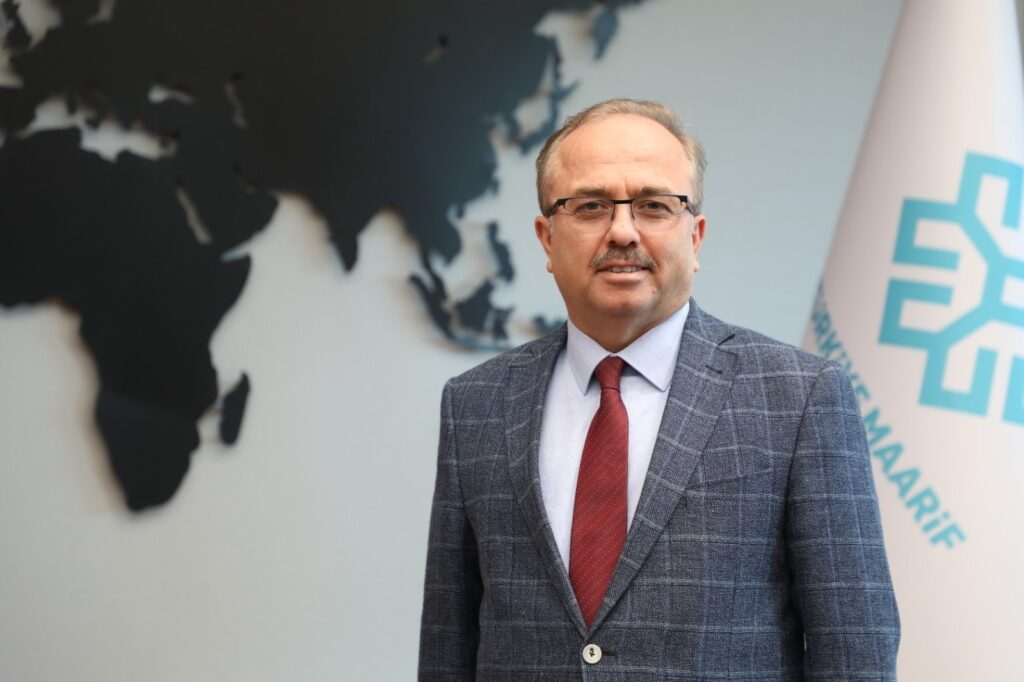
Turkey’s Ambassador to Azerbaijan, Birol Akgün, stated in an interview with Azerbaijani media that the Armenian-Turkish border could be opened, but only under specific conditions.
According to him, this step is possible if a peace agreement between Armenia and Azerbaijan is signed (or at least initialed) and if conditions related to the “Zangezur Corridor” are met. He emphasized that the normalization processes of Armenia-Turkey and Armenia-Azerbaijan relations are proceeding in parallel and must be considered together, with the decision to open the border to be made “following consultations between Ankara and Baku.” The diplomat separately noted that Armenia would benefit the most from the border opening, as it is a landlocked country with closed eastern and western borders.
Thus, Turkey’s position remains unchanged: Ankara has no intention of opening the border without political concessions from Armenia—not only in the context of a peace agreement but also in the framework of the so-called “Zangezur Corridor.” In other words, Turkey not only ties the normalization of bilateral relations to the progress of Armenian-Azerbaijani settlement but also effectively continues to use Baku as a lever of pressure. The formula that “everyone wins, but Armenia most of all” in practice means that Yerevan is expected to make unilateral concessions, while Ankara and Baku keep raising new demands.
In practice, this creates a chain reaction: every symbolic “step forward” from Turkey is accompanied by demands for tangible political concessions from Armenia. This suggests that even the signing of a peace treaty and discussions on the so-called “Zangezur Corridor” will not mark the end of Turkey’s demands.
As noted by Turkologist Ruben Safrastyan:
“Even if a peace treaty is signed, Turkey will not rush to fully normalize relations with Armenia. It will opt for gradual, phased normalization—small steps that lack fundamental significance. For instance, the first such step could be opening the border for citizens of third countries and holders of diplomatic passports. Why? Because as early as 1991, Turkish elites refused to establish diplomatic relations with Armenia, citing the need to resolve several issues. They assumed that cooperation with Turkey was primarily necessary for Armenia, not vice versa. Given the scale of Armenia’s economy, Ankara concluded that our country is too small a market to play a significant role for Turkey. This approach persists today, manifested in the form of preconditions. The current precondition is the signing of peace with Baku. However, even if this condition is met, Turkey will not hasten to fully open the border—it is crucial for them to maintain tools of pressure on Armenia.”
Safrastyan stresses that Ankara’s true priority at this stage is the so-called “Zangezur Corridor”—on terms acceptable to Turkey and Azerbaijan. This implies that the railway artery passing through southern Armenia must be removed from Armenian control. For this reason, the expert believes, Turkey will continue to strive to maintain levers of pressure, using them to advance its own interests.
Thus, diplomatic signals from Ankara cannot be seen as steps toward genuine rapprochement. Turkey is not acting as an independent party seeking good-neighborly relations; on the contrary, it is building a complex system of conditions in which normalization is not a goal but a tool for blackmail. The longer the process drags on, the higher the price Armenia is expected to pay for each subsequent “gesture of goodwill.”