
The Syrian conflict, long transformed from a regional crisis into a chronic international challenge, has once again exposed the structural weaknesses of European foreign policy. Despite years of declarations on the protection of human rights and commitment to international law, the European Union has found itself in the role of observer – reacting but not setting the agenda.
The latest escalation in northern Syria and Turkey’s growing influence on developments on the ground serve as another reminder: without Turkish support, Syrian regime forces would not have been able to advance so rapidly in several areas. At the same time, Turkey remains the EU’s key partner in containing migration — a role that increasingly raises both political and moral questions.
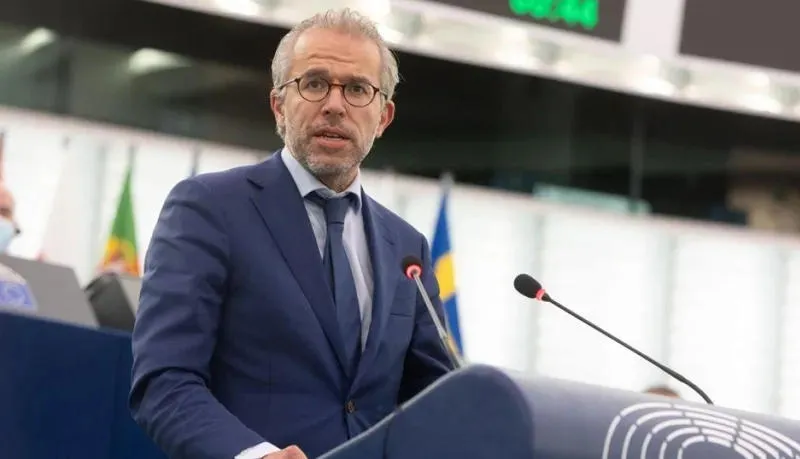
Frustration within the European Parliament is becoming more visible. MEP Thijs Reuten has stated plainly that handing responsibility to actors who are themselves part of the problem cannot lead to a sustainable solution. According to him, without Turkey’s backing, the regime in Damascus would not have consolidated its positions so quickly — meaning that the EU must use every available instrument of pressure to halt hostilities and return to a political process.
Particular concern surrounds the fate of Syrian refugees currently in Turkey. Billions of euros allocated by Brussels for humanitarian assistance are increasingly perceived as part of a transactional arrangement — Europe pays to ensure migration flows do not reach its borders. Yet, as Reuten emphasizes, if European funds are being used to support the resettlement or de facto removal of refugees to unsafe areas in Syria, this represents a substitution of humanitarian responsibility with political convenience.
The Syrian case has thus become a test of the EU’s credibility. Between declarations of human rights protection and the practice of delegating responsibility to authoritarian partners, a widening gap is emerging. And the longer the EU postpones the development of a unified and principled foreign policy, the greater the risk that it will lose its role as a normative power — the very foundation of its international authority.