
In 2023, Armenia recorded a historic surge in tourist arrivals — the country welcomed 2.33 million foreign visitors, a 39% increase compared to the previous year. This explosive growth signaled a successful post-pandemic recovery of the sector and reaffirmed the country’s strong tourism potential. Tourism’s direct contribution to GDP reached approximately 12%, and with indirect effects — such as hospitality, transportation, and agriculture — the sector’s importance is even more substantial.
However, in 2024 the country faced its first serious adjustment: the number of tourists dropped by 5.1%, totaling 2.21 million. The main reason was a decline in tourist flow from Russia, which traditionally remains Armenia’s largest source market (around 43%). Nonetheless, flows from other countries — particularly Georgia (13–15%) and Iran (around 8%) — remain significant and are even growing.
The beginning of 2025 shows a positive trend. According to data from January to May, the number of tourists visiting Armenia has stabilized and shows growth potential, inspiring optimism about the future of the sector.
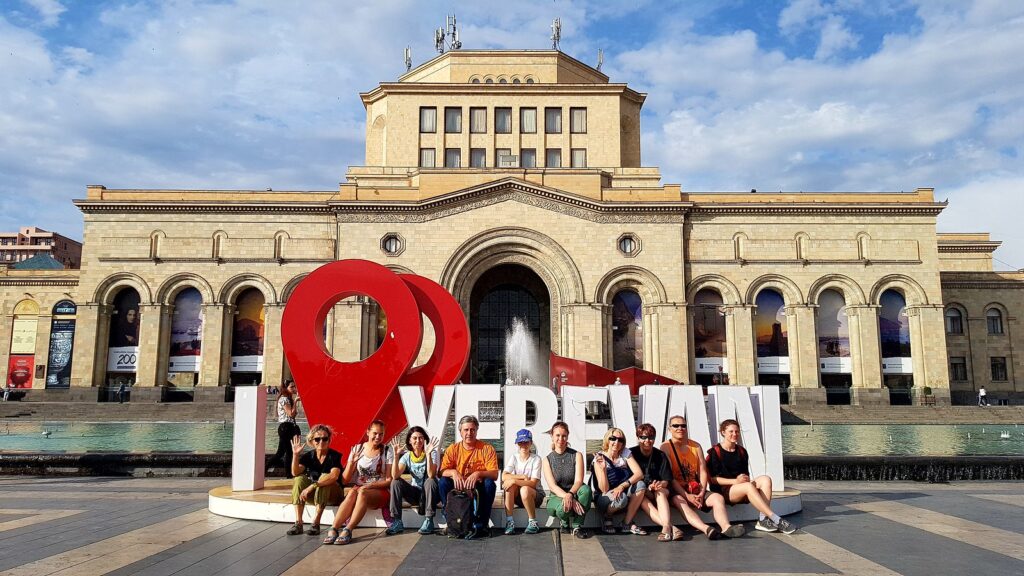
Despite the overall increase in tourism, Armenia’s main challenge lies in the highly uneven geographical distribution of visitors. A majority — 60–65% — continue to concentrate in Yerevan, creating an obvious imbalance. The capital receives most of the revenue, investments, and attention, while the regions remain in the background.
Still, some areas are showing promising results. In Syunik, tourism is growing thanks to its unique natural and cultural attractions — from the Tatev Monastery to the caves of Khndzoresk. In Vayots Dzor, wine tourism is on the rise — the “Areni” brand continues to attract more visitors. In the northern provinces of Tavush and Lori, the focus is on ecotourism and outdoor recreation. Lake Sevan, despite its seasonality, remains a key summer destination.
Tourism is also an important driver of employment, especially in small towns and rural areas. According to the World Bank, every thousand tourists create up to six jobs in such communities. Local small and medium-sized businesses are already feeling the impact: tourism-related revenues exceeded 2.5 billion drams (about $6 million) in 2023–2025. Hotels, cafés, farms, and tour services have become integral parts of regional life, supporting the local economy and opening new opportunities.
Among the main obstacles to tourism development are insufficient infrastructure (road quality, reliable internet), a severe shortage of skilled personnel, and seasonality that limits income. The national tourism development program through 2030, along with support from international organizations like the EBRD, aims to address these challenges. Projects include digitalization, the creation of new tourist routes, and regional improvement initiatives. The goal is to increase international tourist arrivals by 10% annually, reaching around 3 million by 2030 and generating up to $3 billion in annual tourism revenue.
Achieving these targets implies significant growth — in particular, increasing international arrivals by 1.5 times. This means Armenia will need to add approximately 30,000 new hotel rooms. However, tourism as a sector inherently relies on the same infrastructure as residential areas: housing, water supply, electricity, transport, and roads.
On average, a tourist consumes between 394 and 677 liters of water per day in a hotel, depending on the region. For instance, in Europe it’s around 394 liters per night, while in Southeast Asia it can reach 677 liters — several times more than local residents. In Armenia, average per capita daily water consumption ranges from 70 to 175 liters. Electricity consumption per tourist averages 60–75 kWh, compared to 15–20 kWh per local resident. These figures underscore one point — building hotels and guesthouses alone is not enough to meet tourism targets. A comprehensive, capacity-building approach is needed.
In any case, Armenia’s tourism sector continues to demonstrate resilience and growth potential. For sustained development, it is crucial to reduce dependency on a single market — Russia — by cultivating new segments and audiences; address infrastructure and staffing issues; and foster more regional tourism to balance the dominance of Yerevan. If these conditions are met, tourism will remain one of the key drivers of Armenia’s economic and social development over the coming decade.