
According to preliminary data from Armenia’s Statistical Committee, the country’s economy shows an unusual combination in January–October 2025: strong domestic activity and a sharp decline in foreign trade. The Economic Activity Index for the period reached 108.1%.
However, the sources of growth are uneven. Construction and services continue to expand at double-digit rates. At the same time, industry remains stagnant, and foreign trade has fallen by almost 40% in USD terms.
Domestic Growth Driven by Construction and Services
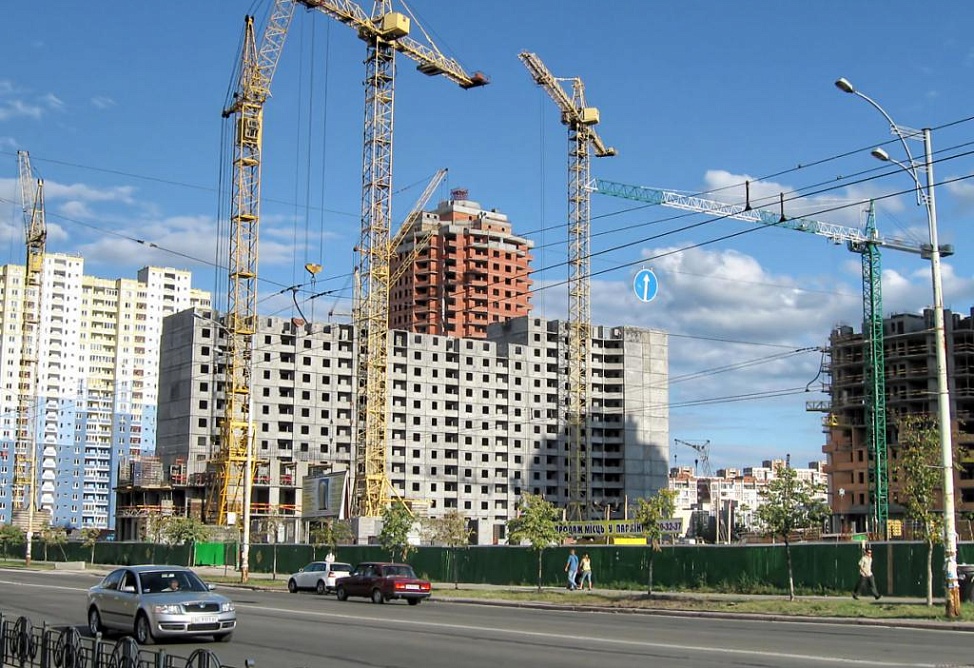
Construction remains the fastest-growing sector. The volume of construction work reached 551.4 billion drams, marking a 20.6% increase compared to last year.
The service sector (excluding trade) also performed strongly. It grew by 10.8%, reaching 3,332.5 billion drams.
Trade turnover increased by 3.2% and amounted to 5,323.9 billion drams.
Meanwhile, industrial output declined by 3%, falling to 2,408.95 billion drams.
This contrast highlights a structural imbalance inside the Armenia economy 2025, where domestic sectors grow, but industry weakens.
Foreign Trade Contracts by Nearly 40%
Total foreign trade amounted to $16,542.2 million, which is 62.9% of the level recorded in 2024.
- Exports fell to $6,416.4 million (55.3%)
- Imports declined to $10,125.8 million (68.8%)
The drop is linked to decreased re-export activity, changes in logistics routes and stricter oversight of external trade flows and transactions.
Prices, Salaries and Exchange Rate
The Consumer Price Index reached 103.3% compared to the same period in 2024.
The Industrial Producer Price Index also stood at 103.3%.
The average exchange rate in October 2025 was 388.06 drams per USD.
The average monthly nominal wage reached 288,097 drams:
- Public sector: 228,653 drams (+4.5%)
- Private sector: 310,639 drams (+2.5%)
Energy Output Continues to Grow
Electricity generation reached 7,442.2 million kWh, up 4.2% from last year. This increase supports demand from construction and services.
An Economy of “Two Speeds”
The data shows that Armenia is forming an economy of two speeds:
- The internal sector — construction, services, trade and consumption — is growing quickly and keeps the overall index positive.
- The external sector — industry and foreign trade — is shrinking under pressure from global and regional conditions.
As a result, the Armenia economy 2025 depends increasingly on domestic demand.
Short-Term Benefits and Long-Term Risks
In the short term, internal investment and real-estate demand can maintain economic growth.
However, long-term risks are increasing:
- overheating of the construction sector
- imbalances in the real-estate market
- weakening of industrial capacity
- slowdown in technological development
- shrinking export potential
Armenia can sustain growth today, but structural pressure is rising for the future.