
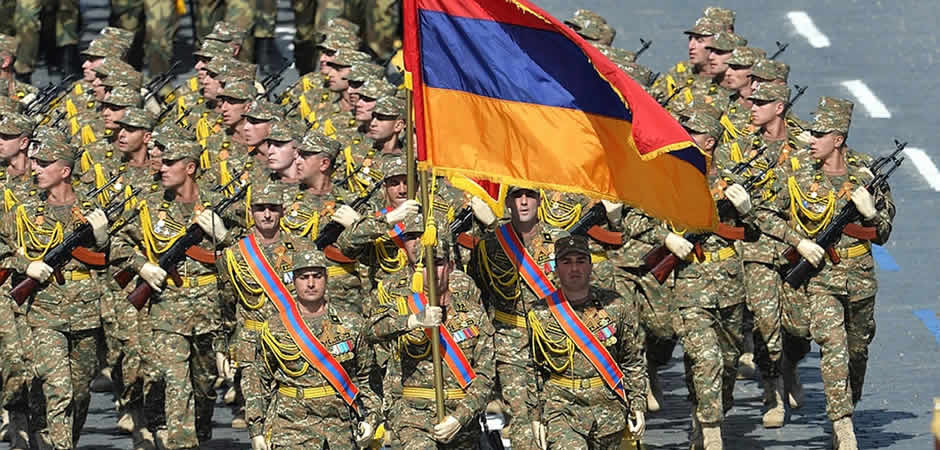
Following the 2020 war, discussions about the need for reform in Armenia’s armed forces intensified, along with government promises of transformation. More than five years later, authorities speak of progress, diversification of arms procurement, and infrastructure development, while critics argue that the military has weakened and systemic problems persist. Experts offer differing assessments of the situation.
Financial growth and educational reforms
Military expert Vazgen Ghazaryan notes that some lessons were learned after 2020. He highlights a significant increase in defense procurement, rising from around $2 billion before the war to over $4 billion in approved acquisitions afterward.
However, he emphasizes that material resources alone are insufficient. The development of human capital is equally critical. In recent years, the number of military personnel receiving education abroad has grown sharply, reaching hundreds annually. This contributes to the introduction of Western standards in training, command structures, and military thinking.
He also points out that deficiencies in combat readiness and command systems were key factors in the 2020 defeat, and current reforms aim to address these shortcomings.
Human rights concerns remain
Human rights advocate Zhanna Aleksanyan evaluates reforms from a different perspective. She acknowledges a positive trend of fewer fatalities at the border, partly attributed to the presence of international observers.
At the same time, she warns that internal conditions remain problematic. Non-combat deaths continue to occur, with dozens of cases reported annually. According to her, the lack of transparency and reduced public oversight have made the army a more closed institution.
Lack of systemic approach
Former military advisor Grigory Sahakyan, while recognizing certain improvements, considers them insufficient. He argues that current reforms lack a comprehensive and systemic approach.
According to him, existing efforts are fragmented and do not form a cohesive strategic vision. Without a clear doctrine and consistent implementation, it is difficult to significantly improve the army’s resilience.
From doctrine to practice
Ghazaryan also stresses the importance of defining a defense doctrine. For resource-constrained countries, he suggests an asymmetric model similar to Taiwan’s, focusing on technological advantage and maximizing deterrence.
He notes practical developments such as the creation of units specialized in urban warfare, an area previously underdeveloped. Western instructors have been involved in training efforts to address this gap.
However, reforms face significant obstacles, including outdated legislation and bureaucratic inertia, which slow down implementation.
Experimental battalion approach
Military expert Leonid Nersisyan proposes a more flexible reform model based on practical testing. Instead of drafting extensive regulatory documents first, he suggests establishing an experimental battalion to test new approaches in real conditions.
“Such a unit would allow for rapid adaptation and refinement before formalizing procedures. This is far more efficient than producing thousands of pages of regulations without practical validation,” he argues.