
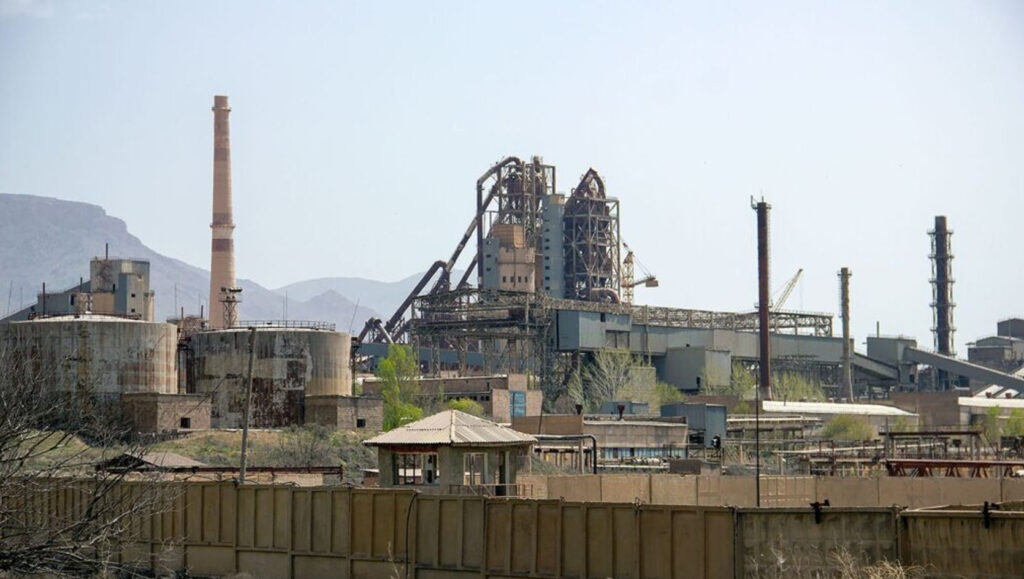
Prime Minister Nikol Pashinyan has announced plans to nationalize the Ararat Cement plant and introduce external management at other companies owned by Prosperous Armenia leader Gagik Tsarukyan.
The decision, together with the seizure of more than 70 related assets, has raised concerns among economists about its impact on investment, business confidence, and economic stability.
Disrupting Key Industries
Economist Hrayr Kamendatyan says Multi Group’s businesses are closely connected to several sectors of Armenia’s economy, particularly construction.
He notes that Ararat Cement resumed operations shortly after production was halted, suggesting officials quickly recognized the economic risks of shutting down such a major enterprise.
Billions of Drams at Stake
According to Kamendatyan, Ararat Cement paid about 6 billion drams in taxes last year.
The combined annual tax payments of Multi Group companies amount to roughly 17–19 billion drams.
He warns that prolonged disruptions could affect thousands of employees, reduce budget revenues, and damage related industries.
The economist also notes that stopping cement production can cause serious technical damage to industrial equipment.
Who Will Pay the Cost?
Kamendatyan argues that if courts later award compensation, the financial burden would ultimately fall on the state budget rather than on the officials responsible for the decisions.
In his view, taxpayers would eventually bear those costs.
Concerns Over Property Rights
Economist Vahe Davtyan notes that discussions about nationalizing Ararat Cement began months ago, while prosecutors have challenged the legality of its privatization.
He emphasizes that the company has undergone extensive modernization since being privatized and remains one of Armenia’s leading cement producers.
Investment Climate at Risk
According to Davtyan, reopening privatization deals decades later raises concerns about property rights and institutional stability.
He argues that expanding state control over major industrial assets contradicts Armenia’s stated commitment to a liberal market economy.
The economist believes such developments could make both domestic and foreign investors significantly more cautious about launching new projects in Armenia.