
Tensions in the region are entering a new phase. However, they are unlikely to escalate into a large-scale military conflict between Iran and its neighbors at this stage. This was stated by Iran expert Tigran Davudyan.
Escalation after strikes on energy infrastructure
According to him, the situation sharply escalated after Israeli strikes on Iran’s energy infrastructure, including the South Pars gas project.
In response, Tehran threatened action against the UAE, Saudi Arabia, and Qatar. These countries hold major oil and gas assets.
Davudyan believes that despite their tougher stance toward Iran, they will not risk direct military confrontation.
Iran understands this and does not view them as the primary threat. Instead, it sees them as tools of pressure against the United States.
The expert notes that Tehran is confident it can strike in those directions if necessary and use them as leverage against Washington.
He also added that dissatisfaction with the current administration’s policy is already growing within the United States.
Focus on strategic points in the Persian Gulf
Speaking about possible military scenarios, the expert stated that the United States is unlikely to launch large-scale ground operations.
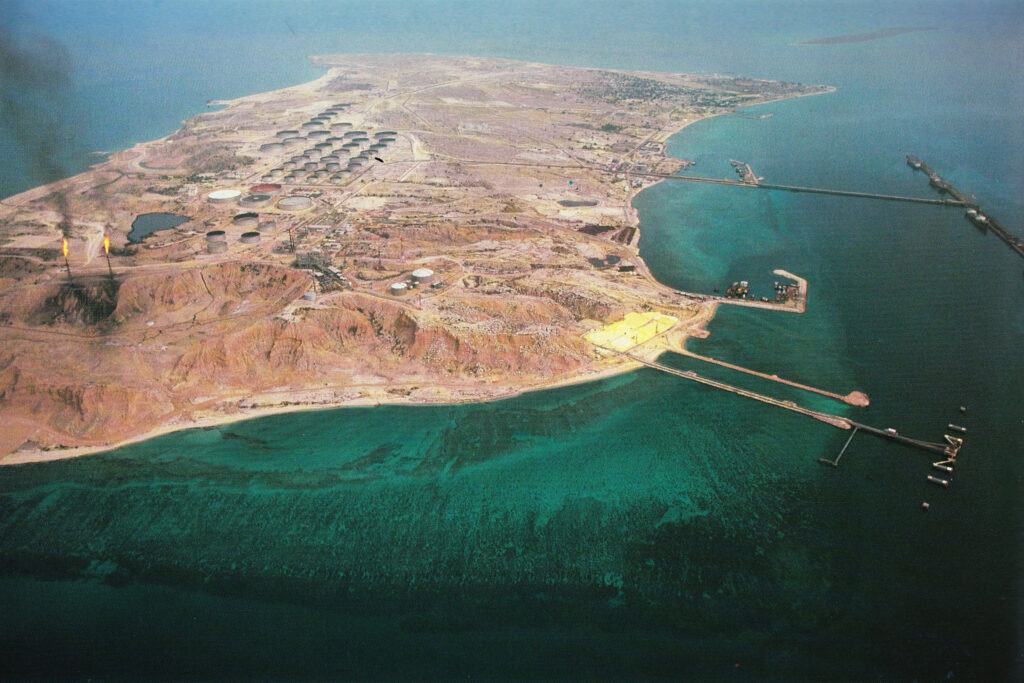
The main focus will be on strategic locations in the Persian Gulf, particularly Khark Island, where Iran’s key oil export terminals are located.
“The goal is not to destroy, but to control and restrict,” Davudyan emphasized.
He added that destroying such infrastructure would have long-term consequences and require years to rebuild.
The Strait of Hormuz as a key objective
According to him, Washington’s primary objective at this stage lies elsewhere — lifting restrictions in the Strait of Hormuz.
Davudyan notes that the United States is using various tools to achieve the unblocking of the strait.
This is because it plays a vital role in global energy markets.