
The actions of US President Donald Trump in the crisis surrounding Iran are driven less by strategic considerations and more by political calculations. His primary objective is to solve one key issue — to construct the image of a “winner.” This view is expressed by political analyst Artur Martirosyan.
According to him, Trump is trying to find a way out of the current situation, but any solution must allow him to present himself as the winning side. The analyst argues that this factor complicates the process, as Iran is not willing to provide such an opportunity.
He notes that the United States claims to have achieved its military objectives, while at the same time signaling that unresolved issues remain. According to Martirosyan, this indicates that the process is not yet complete and tensions persist.
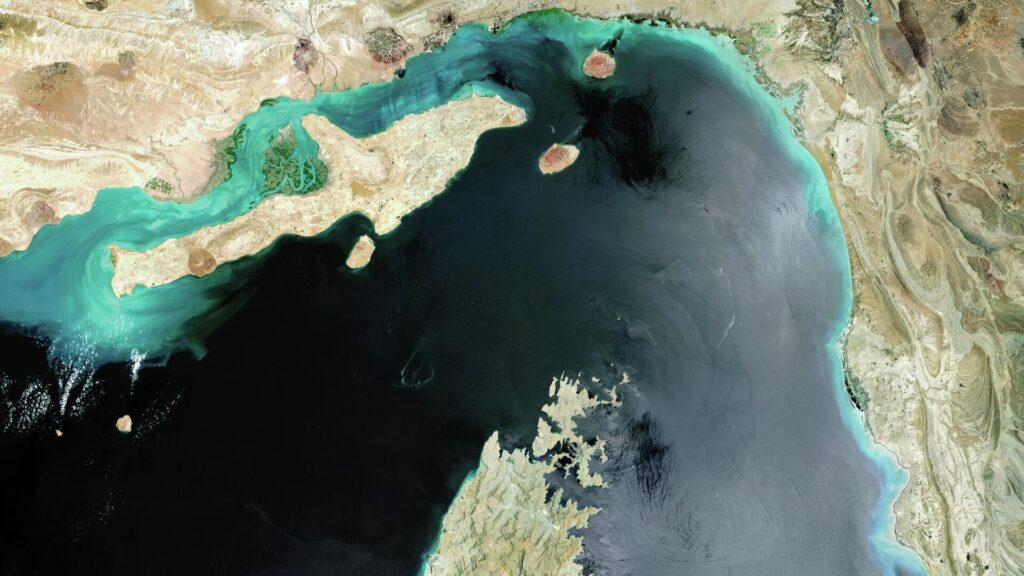
The analyst highlights the consequences of a potential blockade of the Strait of Hormuz, noting that it would negatively affect not only Iran but also the United States and the global economy.
According to him, even if there is no physical shortage of oil or gas in the US, price increases are inevitable, as the market operates on a global logic. As a result, rising oil prices lead to inflation, which in turn creates serious economic challenges.
In Martirosyan’s assessment, European countries are among the most affected by the current situation. He also notes that the consequences of the crisis are already being felt in Asia, particularly in Japan and South Korea.
According to the analyst, these countries are already experiencing issues related to energy shortages. For example, restrictions are being introduced in the aviation sector due to a lack of jet fuel, indicating the depth of the crisis.
Martirosyan emphasizes that, given all factors, it is difficult to predict how long the United States will be willing to maintain pressure in an attempt to force the opposing side to accept its proposed terms.
Nevertheless, in his view, this confrontation will ultimately lead to increased pressure on Iran not only from the United States but also from European countries and other states in the Middle East.
The analyst also suggests that the current mechanisms may fail to meet expectations, and international actors may eventually conclude that the chosen approach is ineffective.