
For Ankara, anti-Armenianism is a more deeply rooted issue than it is for Azerbaijan because it is connected to the ideology behind the formation of Turkish statehood, international recognition of the Armenian Genocide and the question of Armenian claims. In this context, Azerbaijan serves as a tool for Turkey to pursue its own geopolitical objectives, historian Nelli Minasyan says.
In her assessment, while the Armenian question was an important domestic political issue for Turkey in the early twentieth century, it later became part of its foreign policy. The internationalization of the Armenian question, recognition of the Armenian Genocide and the question of claims gave anti-Armenianism a different significance. Armenia is no longer viewed in Turkey as a direct threat in the way it once was; instead, it is used in relations with other states and in broader geopolitical processes.
Two main directions of Turkish policy
Minasyan says two main issues matter to Ankara at this stage. The first concerns Turkey’s relations with the West, particularly the European Union, amid changes in international relations and the geopolitical system.
According to her, Turkey has come to understand that EU membership is not a realistic prospect at present and that the customs union will remain the sole framework for those relations. Under these circumstances, relations with the countries of the South Caucasus become important.
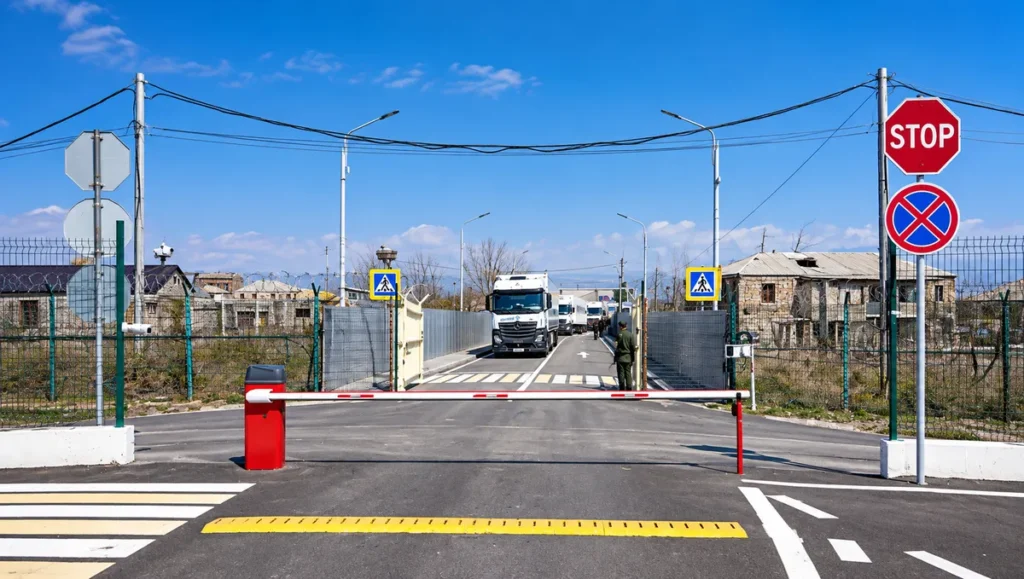
Minasyan says that, although Turkey still links normalization with Armenia to the resolution of issues involving Azerbaijan, opening the Armenia–Turkey border is also important for implementing plans connected to the European Union. The question of opening the border therefore has economic and geopolitical significance beyond the two countries’ bilateral relationship.
The development of Turkey’s eastern regions also matters to Ankara. According to Minasyan, greater attention has been paid to their economic development in recent years, while making use of their tourism potential is difficult to imagine without opening the border with Armenia.
“Over the last two or three years, they have been trying to turn that area into a tourist destination as well, but that is impossible without opening the border with Armenia. There is also the question of infrastructure,” she says.
In the historian’s assessment, these processes are driven not only by deliberate steps taken by the Armenian and Turkish authorities, but also by international geopolitical developments that are gradually changing how states and societies view one another.
Armenian–Turkish contacts and prospects for opening the border
Minasyan also highlights the contacts that have taken place in recent years as significant to possible changes in the relationship. She points to reciprocal visits by journalists, meetings between business representatives and an event in Istanbul dedicated to the 35th anniversary of Armenia’s independence, attended by Turkish Foreign Ministry representative Serdar Kılıç.
She says such events may indicate that some in Ankara recognize the need to build relations with Armenia.
According to Minasyan, Turkey has sent signals that the border could open and the normalization process could continue. She believes opening the Armenia–Turkey border would also change the terms of Turkey’s relationship with Azerbaijan.
“Turkish–Azerbaijani relations are one thing when the border with Armenia is closed, and quite another when the border is open and Armenia and Turkey are building a relationship. I am confident that Armenia and Turkey will quickly build very good relations,” Nelli Minasyan concludes.