
The publication of 13 documents related to the Artsakh negotiation process has dominated the political debate. The government had previously promised to release them, and their appearance triggered an active discussion.
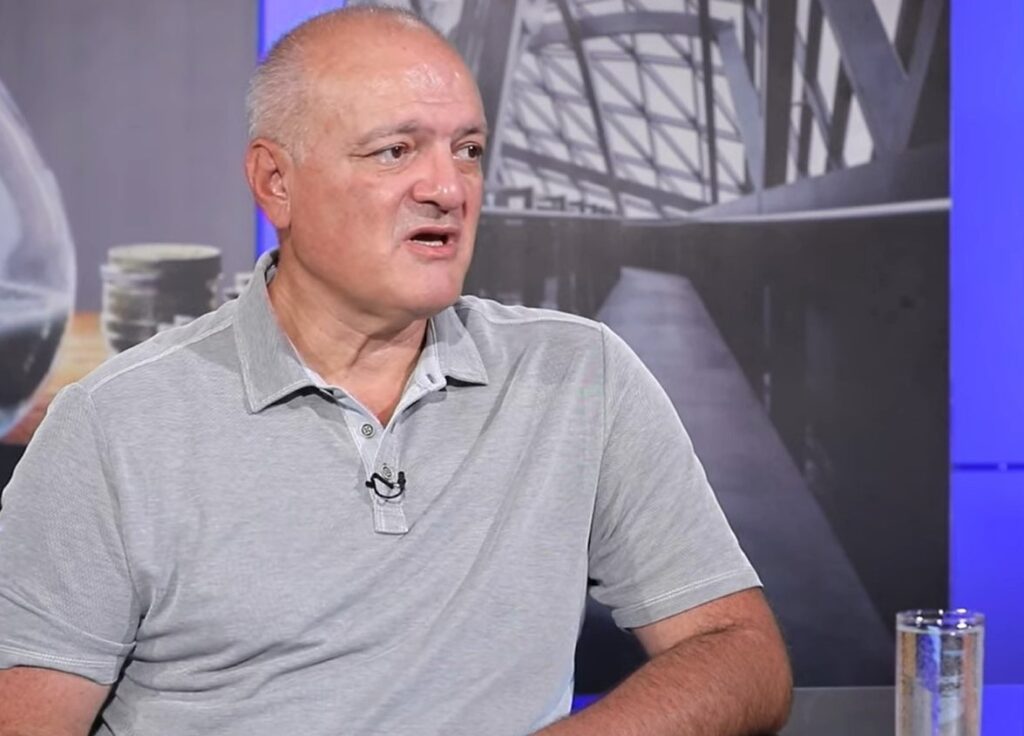
Political technologist Vigen Hakobyan argues that the key reason is not the content itself but the timing and the political intent.
Pre-Election “Vaccination”
According to Hakobyan, most documents created before 2019 were already known to the public or experts. Even the June 2019 document, officially published for the first time, had been discussed for years.
He notes that the release at this moment follows a clear strategy.
“Pashinyan understood that as elections approach, the Artsakh issue would become the main tool of the opposition. They would ask why he ignored the 2019 opportunity and why the country reached war. So he tries to change the rules of the game in advance.”
Hakobyan calls this approach “vaccination”:
a sensitive topic is released early, the tension decreases, and by election time the issue loses its impact.
He explains that the move targets the ruling party’s voters and a segment of undecided citizens.
What the 2019 Proposal Offered — and What Was Lost
Hakobyan believes that the 2019 negotiation proposal could have delayed war and preserved the pre-war status quo.
“If Armenia accepted the 2019 proposal, it would have gained time. The return of regions was divided into stages, and the process could last for years. Time itself was a strategic value: it could help maintain the balance or start a new negotiation cycle.”
He adds that this question will continue influencing public perception, especially among critics of the current government.