
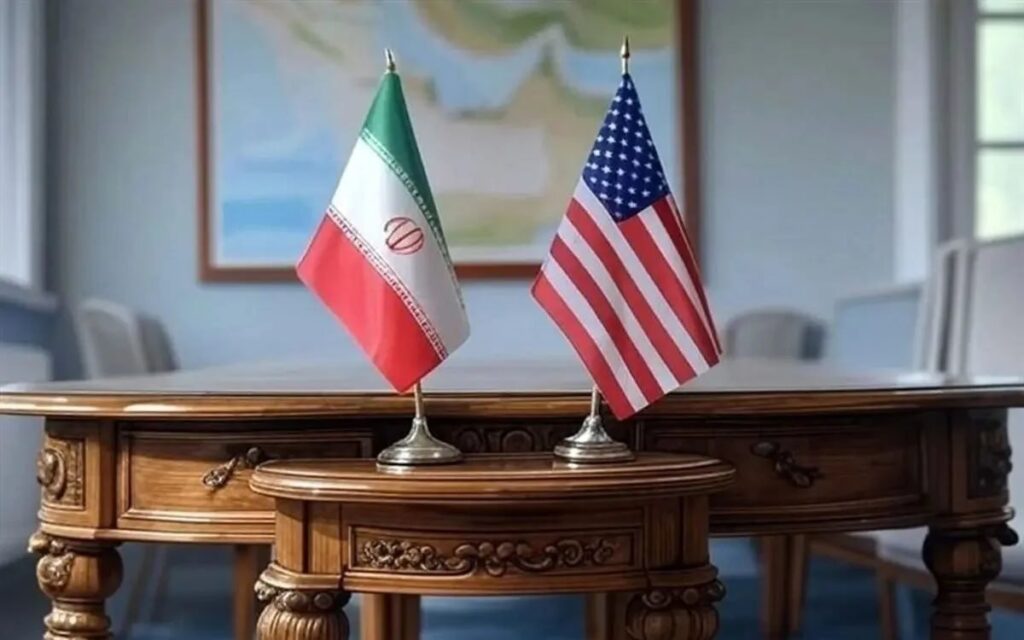
The negotiation process between the United States and Iran, ongoing for several months, is entering a new stage. The two countries have signed a memorandum of understanding that not only formalizes the previously agreed ceasefire arrangements but also opens the way toward a comprehensive political agreement.
According to Middle East expert Georgy Mirzabekyan, this is the first major bilateral document signed since Iran’s Islamic Revolution.
Although it is not yet a final agreement, the memorandum is significant because it publicly outlines the main issues the parties intend to negotiate in the coming months.
Sixty Days to Reach an Agreement
Under the memorandum, both sides will attempt to reach a final agreement within 60 days.
Even if the deadline is extended, the document establishes a permanent mechanism for communication and negotiations that did not previously exist.
Hormuz Is the Key Achievement
Mirzabekyan believes the most important practical outcome concerns the Strait of Hormuz.
During the recent conflict, freedom of navigation through the strait became one of the world’s biggest economic concerns.
According to the expert, the parties have now reached an understanding on maintaining free maritime transit through Hormuz.
This is important not only for Iran but also for global energy markets, as a substantial share of international oil shipments passes through the strait.
Iran Is Already Seeing Economic Benefits
The analyst also points to early progress in the economic sphere.
Iranian companies have already been allowed to resume oil exports to foreign markets.
Although this does not amount to a complete lifting of sanctions, it represents significant economic relief for Tehran.
Why the Tough Rhetoric Continues
Despite positive momentum in negotiations, both sides continue making tough and sometimes contradictory public statements.
Mirzabekyan believes this is a normal feature of complex diplomatic negotiations.
Each side seeks to strengthen its bargaining position while shaping public perception ahead of any final agreement.
Nevertheless, decades of mutual distrust remain one of the greatest obstacles to lasting success.
Washington and Tel Aviv Have Different Priorities
The expert also argues that recent developments have highlighted differences between the strategic interests of the United States and Israel.
While some political circles in Israel were prepared to support scenarios involving major changes to Iran’s political system, Washington’s priority has been maintaining a predictable negotiating partner.
The United States is also interested in limiting Chinese and Russian influence over Iran.
Iran’s Economy Could Benefit Significantly
According to Mirzabekyan, the largest long-term impact of any final agreement may be economic.
Although comprehensive sanctions relief remains under negotiation, broader economic cooperation is already being discussed.
Expanded Iranian oil exports could substantially improve the country’s financial situation and provide additional economic resources.
Implications for Armenia
A possible normalization of US-Iran relations could also affect the South Caucasus.
This includes regional transportation and logistics initiatives such as the TRIPP project involving Armenia.
However, Mirzabekyan cautions that even if Washington and Tehran reach an agreement, Iran is not obliged to support every regional initiative.
Its policies will continue to be driven primarily by its own economic and geopolitical interests.
Competition Between Regional Corridors
The expert believes the South Caucasus is becoming an increasingly competitive environment for transportation routes.
Among the competing projects are the Baku–Tbilisi–Kars corridor, Armenia’s proposed TRIPP route, and alternative corridors passing through Iran.
“The side that adapts more quickly, offers more effective solutions, and reaches practical agreements will ultimately gain the advantage,” he says.
Toward a New Regional Architecture
Mirzabekyan also suggests that the current diplomatic process could lay the foundation for broader regional cooperation.
He recalls a proposal by former Iranian Foreign Minister Mohammad Javad Zarif to establish a new framework for cooperation between the Persian Gulf states and West Asia.
If US-Iran dialogue continues successfully, such initiatives may receive stronger political backing and eventually evolve into practical regional projects.
According to the expert, it is already evident that the negotiations extend far beyond bilateral relations and could reshape the strategic balance across both the Middle East and the South Caucasus.