
New transport projects, including the TRIPP initiative and the possible launch of the Kars-Tbilisi railway connection, could have major strategic importance for Armenia. However, it is still too early to assess their actual economic impact, according to Artak Markaryan, director of Prime Logistic Services.
He argues that if Armenia becomes a transit country, the benefits will extend beyond freight transportation and stimulate the development of domestic infrastructure.
Increased transit flows would naturally create demand for better roads, logistics hubs, storage facilities and supporting infrastructure along the main transport routes.
Competitive Benefits Will Depend on Transit Conditions
Markaryan stresses that it is not yet possible to determine whether the new projects will provide meaningful competitive advantages for Armenian logistics companies.
That assessment requires a clear understanding of the conditions under which the new infrastructure will operate and the rules that will apply to market participants.
“At this point, we do not know what transit rules neighboring countries will establish, particularly for Armenian companies, what tariffs will apply or what opportunities Armenian businesses will receive. Until those details are available, it is impossible to calculate whether transportation costs will decline,” he said.
According to Markaryan, opening a new route does not automatically make logistics cheaper. Its economic efficiency will depend on infrastructure charges, border procedures, transit fees and access conditions in neighboring countries.
Maritime Transport Remains the Cheapest Option
Discussing the competitiveness of different transport modes, the Prime Logistic Services director says maritime shipping remains the most affordable option over long distances.
Although sea freight is slower, it has virtually no competitor in terms of price.
Road transport is faster, but its efficiency is reduced by border queues and administrative and customs procedures in different countries.
These obstacles are particularly significant for shipments toward Asia, where crossing several borders and dealing with different regulatory systems can substantially increase both delivery times and costs.
Rail Freight From China May Be Much More Expensive
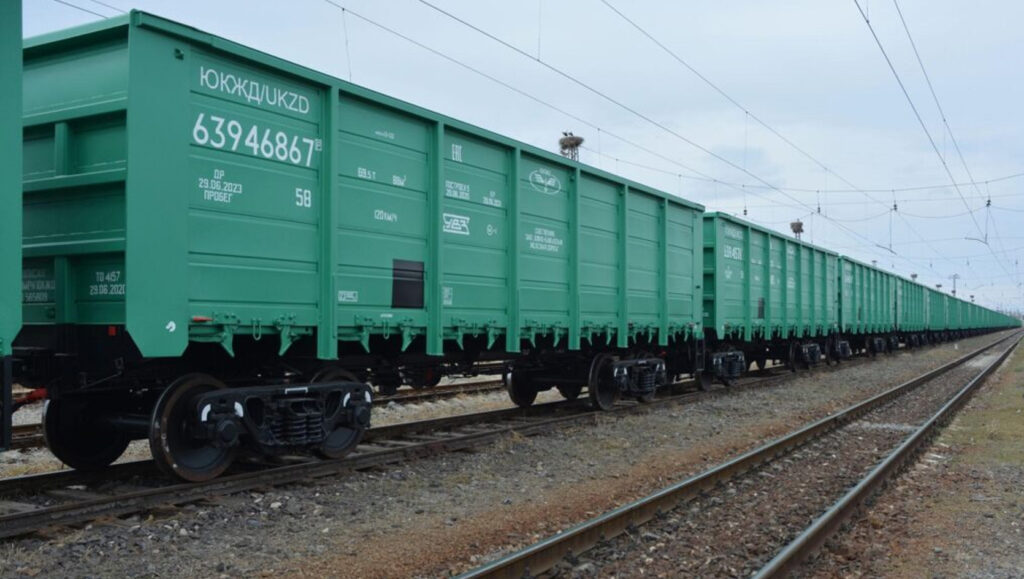
Markaryan expects rail shipments between China and Armenia to be significantly more expensive than maritime transport and closer in price to road freight.
The main reasons are the route’s length and complexity, the need to cross several countries, differences between infrastructure systems and possible additional transit charges.
The final cost comparison will depend on the specific tariffs established by the countries participating in the route.
Without that information, Markaryan says it is impossible to determine in advance whether rail transport will be genuinely competitive for Armenian importers and exporters.
Full Suez Canal Operations Could Increase Competition
The expert also notes that current maritime delivery times are affected by the situation around the Suez Canal.
If the canal returns to full operation, shipping times from Asian countries, including China, Indonesia and Malaysia, could fall substantially and become almost comparable to rail transport.
“If cargo from China reaches Armenia by sea in 30 to 40 days and by rail in around 30 days, but rail costs nearly twice as much, most businesses will choose maritime transport because it is more competitive,” Markaryan explained.
For most companies, price remains the decisive factor, particularly when the difference in delivery time is limited.
Railways Matter as a Strategic Alternative
At the same time, Markaryan emphasizes that railway infrastructure is important not only economically but also strategically.
During global logistics crises, disruptions to maritime routes or sharp increases in shipping risks, railways can provide a critical alternative.
Companies that need faster delivery or transport time-sensitive cargo may choose rail even when it is more expensive.
Such infrastructure is particularly important for a landlocked country because it expands the number of available routes and reduces dependence on a single mode of transport.
Tariffs and Rules Will Determine Success
According to Artak Markaryan, the success of new transport projects will depend not only on whether they are launched but also on the economic conditions created for market participants.
Tariffs, transit charges, border processing times, access for Armenian companies and the transparency of administrative procedures will all be decisive.
Without clear rules and detailed calculations, it is difficult to predict how much TRIPP and other transport projects will change Armenia’s logistics capacity or improve the competitiveness of its exports.
Markaryan believes the new routes could provide Armenia with important strategic advantages, but their actual economic value will be determined not by political announcements but by the cost and practical conditions of transportation.