
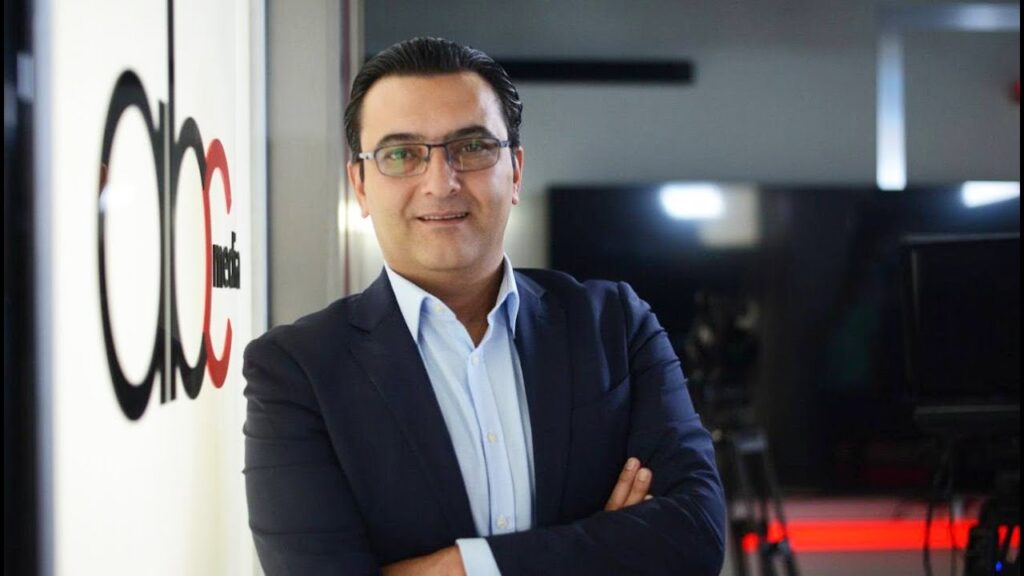
In the coming months, the South Caucasus will undergo profound and radical changes that could completely reshape the region’s political, security, and geopolitical landscape. This was stated by political analyst Abraham Gasparyan.
According to him, as part of these large-scale processes, Turkey has also found itself on the “sacrificial altar,” with President Recep Tayyip Erdoğan struggling to maintain the country’s position. Gasparyan noted that the region’s future is determined by three key factors that impact not only the South Caucasus but also the broader geopolitical context.
Three Decisive Factors
The first factor is the fate of Syria: whether the country will move toward federalization or not. “The events unfolding in Syria could alter the entire course of the region’s development. If the current plans fail, we will find ourselves in a completely different security system,” the analyst noted.
The second key factor is the Kurdish issue and its impact on Turkey and Syria. “The resolution of the Kurdish problem will determine Turkey’s political and geopolitical behavior. All internal and external processes in Ankara are directly tied to this issue,” Gasparyan emphasized.
The third factor is the potential division of spheres of influence between Russia and the United States in the South Caucasus. Gasparyan pointed out that Washington has little interest in maintaining a significant military presence in the region, as the U.S. is not planning a ground operation against Iran.
“The main goal of the United States is to gain access to Iran’s mineral resources and control the oil flows directed to China. That’s why a war with Iran is not encouraged,” he said.
According to Gasparyan, the key question is whether the U.S. and Russia can reach a consensus that allows American interests in the region to remain intact, even if the U.S. presence is reduced.
Turkey at the Center of Processes
In this context, Gasparyan noted that Turkey is also at the heart of these developments. “Erdoğan is trying to preserve Turkey’s position, but the geopolitical restructuring could alter Ankara’s role. The Kurdish issue, the fate of Syria, and the new distribution of spheres of influence among major powers could seriously undermine Turkey’s position,” he emphasized.
External Consensus Around Pashinyan
The analyst also highlighted that these three factors shape the external consensus formed around Nikol Pashinyan. “The question is not whether Pashinyan will stay in power. The question is whether the next leader will be an obstacle to the agreements reached or not. Pashinyan skillfully plays these cards—signing one thing in Washington, declaring another in Moscow,” Gasparyan said.
According to him, Pashinyan’s policy allows him to present himself as the only “legitimate” leader, ostensibly protecting the interests of external forces, an approach that largely resembles the Western model of action in Ukraine and the Middle East.
A New Geopolitical Stage
In conclusion, Gasparyan noted that the region is on the cusp of a new geopolitical stage. “The combined impact of these three factors will lead to significant transformations in the South Caucasus. Turkey, Iran, Russia, and the United States will redistribute spheres of influence in a new format. This is no longer a hypothesis—it is a real and ongoing process. In these conditions, the South Caucasus, including Armenia, must be prepared for radical changes,” he concluded.