
A potential meeting between Armenia’s Prime Minister and Azerbaijan’s President in Washington is more of a PR move in Donald Trump’s interests than a genuine step toward establishing peace. This is the view of political analyst Vigen Hakobyan.
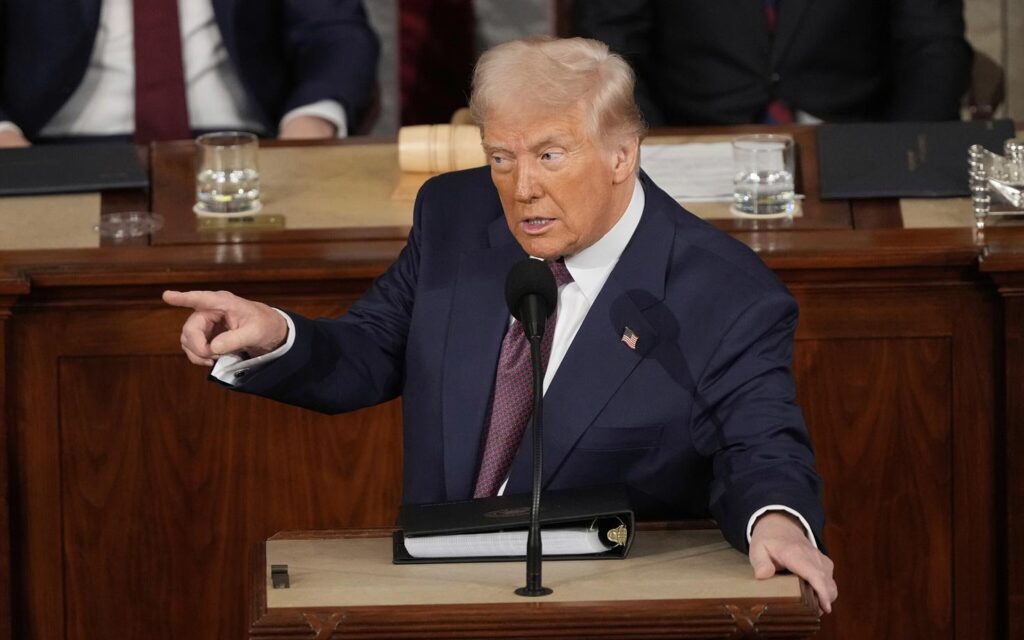
He notes that during his election campaign, Trump positioned himself as a statesman capable of bringing peace. The primary focus, naturally, was on the Ukrainian crisis, but significant progress there has been elusive. Meanwhile, achieving tangible results in peacemaking is crucial for the current administration—especially given Trump’s ambitions, according to the expert, to win a Nobel Peace Prize.
Against this backdrop, Trump needs a high-profile event directly associated with the word “peace.” Given the active U.S. involvement in the South Caucasus, reports of a possible meeting between Armenian Prime Minister Nikol Pashinyan and Azerbaijani President Ilham Aliyev seem quite plausible.
The current U.S. administration, led by Trump himself, is actively engaging with the media, striving to broadcast as many positive signals as possible. A recent example is Trump’s claim that the U.S. has “worked a miracle” in Armenia-Azerbaijan relations and that the parties are allegedly close to signing a peace agreement.
According to Hakobyan, for the U.S., the substance of any agreements reached between Yerevan and Baku is less important than the mere presence of the word “peace” in the news cycle. Thus, the normalization of Armenian-Azerbaijani relations could serve as a PR triumph for Trump, reinforcing his image as an effective peacemaker.
From this perspective, even a formal meeting in Washington with a statement of intent to sign a peace agreement—without concrete steps—could be presented as a major diplomatic success for the Trump administration. Such statements, which have been made before, change little in practice but can serve as a powerful image-building tool in the context of U.S. domestic politics.
However, a peace agreement between Armenia and Azerbaijan, signed without international guarantees, risks remaining merely on paper—and could even have negative consequences for Armenia. Undoubtedly, the U.S. has the potential to act as an effective guarantor and make a real contribution to the resolution. Yet, as the expert emphasizes, this depends on how actively other geopolitical players, also vying for influence in the region or seeking to restore it, might oppose such efforts.