
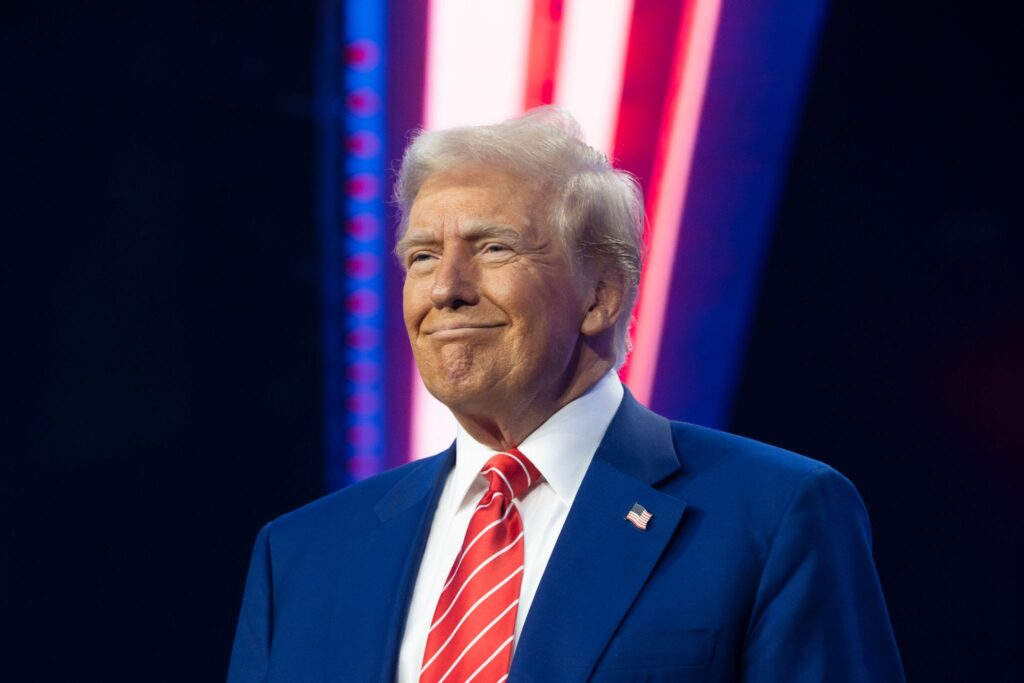
For the first time in the last three decades, the United States has succeeded in gaining real influence in the South Caucasus. According to Suren Sargsyan, head of the Armenian Center for American Studies, the Donald Trump administration managed to take advantage of the existing political and regional environment and entered the region this time not as an observer, but as a full-fledged player.
Over the past 30 years, the US has constantly tried to penetrate the South Caucasus but failed, mainly due to the Nagorno-Karabakh issue, which kept both Armenia and Azerbaijan firmly in Russia’s sphere of influence. The presence of conflict allowed Russia to maintain dominance, while the US operates in the opposite format — expanding its influence in conditions of conflict absence through financial investments, economic flows, and infrastructure projects.
Now everything has changed. Russia is in its most difficult position in the last 30 years (especially against the backdrop of the war in Ukraine), resources are depleted, and it cannot concentrate forces in the region to counterbalance. Iran’s factor is weak. Turkey’s influence, on the contrary, is very strong — as a strategic (albeit problematic) ally of the US. This combination of factors has created a historic “window” that the US is using quickly and decisively.
Sargsyan emphasizes that the Trump administration’s actions in the region are not tied to a single project but are part of much broader regional processes. According to him, the main and central goal is to transport energy resources (gas, oil, pipelines, roads, transit routes) to Europe through the South Caucasus and Turkey. The primary purpose of this is to bypass Russia.
In other words, the US seeks to create alternative energy and transport corridors that do not pass through Russian territory or depend on Russian control. This is the central axis of American policy in the region.
In Sargsyan’s assessment, US policy in the South Caucasus requires consistent work and the involvement of regional countries. Naturally, those political forces that support this American agenda find themselves in the center of Washington’s attention and support. “This is an extremely pragmatic approach,” he notes.
According to him, the United States is strengthening its position in the region precisely through Nikol Pashinyan and Ilham Aliyev.