
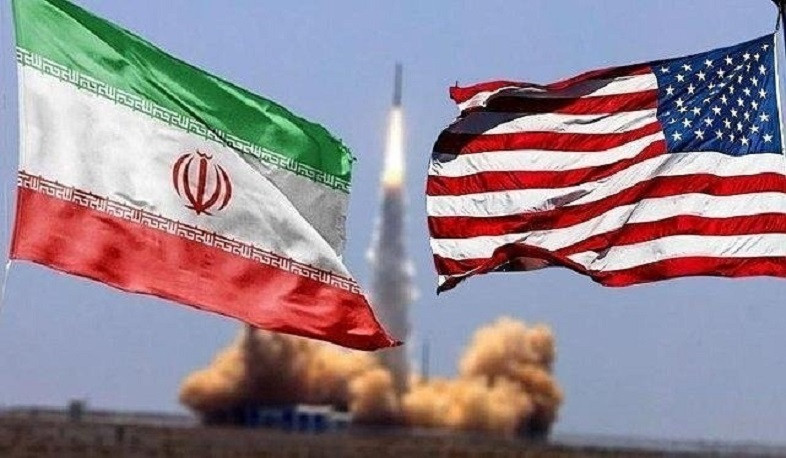
Negotiations between the United States and Iran are continuing in Switzerland and are already being described as one of the most confidential diplomatic processes of recent years. Although the two sides have completed the first phase of talks and announced their intention to continue the dialogue, significant tensions remain in both Washington and Tehran.
Against the backdrop of limited public information, analysts are trying to determine which issues remain unresolved, why the process is expected to last around sixty days, and which topics are currently dominating the negotiating agenda.
A Comprehensive Agreement Is Unlikely Soon
Iran expert Aram Shahnazaryan believes the negotiations are extremely complex, making it unrealistic to expect a rapid and comprehensive agreement within the proposed timeframe.
According to him, years of accumulated disagreements and Iran’s clearly defined red lines make compromise difficult.
Initial Understandings Have Already Been Reached
The expert notes that the parties have managed to reach preliminary understandings on reducing military tensions and several confidence-building measures.
These reportedly include easing certain restrictions imposed on Iran, removing obstacles to oil exports, and ensuring freedom of navigation through the Strait of Hormuz during the next sixty days.
According to Shahnazaryan, these issues formed the basis of the first-stage agreements.
The Nuclear Program Remains the Core Dispute
At the same time, Iran’s nuclear program remains the most sensitive and difficult issue under discussion.
Tehran has repeatedly stated that it does not seek nuclear weapons but also insists that it will not abandon its civilian nuclear program.
According to the expert, particular attention is focused on approximately 460 kilograms of uranium enriched to 60 percent.
While Washington initially insisted that these stockpiles should be removed from Iran, Shahnazaryan says negotiators are now discussing a compromise solution.
Under this approach, the uranium could be diluted to a lower enrichment level while remaining inside Iran.
The Future of the Strait of Hormuz Is Also at Stake
Another major issue concerns the future status of the Strait of Hormuz.
The expert argues that negotiators will need to establish mechanisms for monitoring the waterway and determine how transit-related fees and taxes will be managed.
These technical issues could become an important part of future discussions.
New Sources of Disagreement May Emerge
Shahnazaryan does not rule out the possibility that the United States will attempt to broaden the agenda by raising issues that Tehran considers unacceptable.
These include not only additional restrictions on Iran’s nuclear activities but also Iran’s regional influence and the activities of groups affiliated with Tehran throughout the Middle East.
According to the expert, these subjects are likely to become the most difficult obstacles in the coming weeks.
The Next Phase Will Be Critical
The analyst believes the success of the negotiations will depend on whether both sides are willing to compromise on their most sensitive issues.
For now, Washington and Tehran appear to have agreed only on a framework for continued dialogue, while the most significant disagreements remain unresolved.