
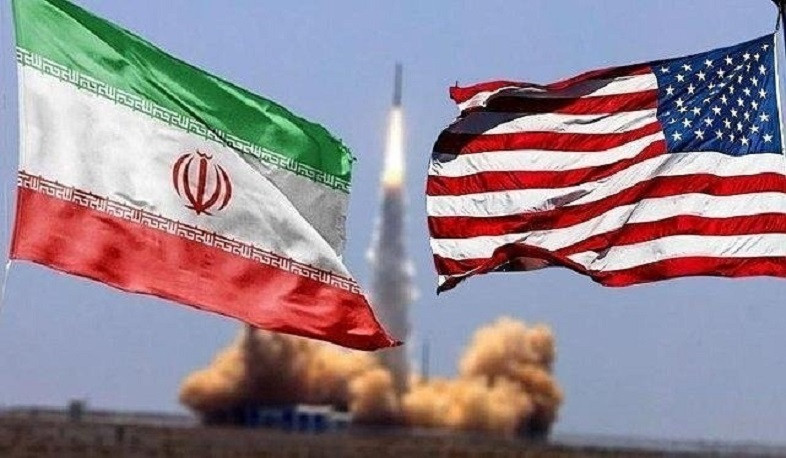
Iran and the United States have electronically signed a one-and-a-half-page memorandum consisting of 14 points, according to official statements. The document is not yet a final agreement, and detailed discussions are expected during an upcoming meeting in Europe. Nevertheless, an important question has already emerged: can this memorandum become a turning point in Iran–US relations, or is it merely another attempt to reduce tensions and gain time?
According to Iran expert Tigran Davudyan, conflicts of this nature rarely produce absolute winners or losers.
He argues that both Tehran and Washington are trying to present the negotiations to their domestic audiences as a diplomatic success, demonstrating that they have protected national interests and secured concessions from the other side.
The Strait of Hormuz Remains a Key Issue
Davudyan notes that one of the most significant elements of the memorandum concerns the reopening of the Strait of Hormuz, which would allow hundreds of vessels to pass safely through the waterway.
In return, the United States is expected to lift restrictions affecting the Persian Gulf and the Gulf of Oman, enabling Iran to restore normal oil export operations.
The expert also points out that Tehran is seeking a 60-day extension of the ceasefire arrangement and wants the Lebanese track to be included in the broader process.
According to Davudyan, this reflects Iran’s continued commitment to supporting its regional allies, particularly Shiite groups across the Middle East.
Washington Is Acting More Independently
Davudyan believes recent developments indicate a shift in relations between Washington and Tel Aviv.
Where Israel previously exercised greater influence over American decision-making, the United States now appears more cautious and increasingly focused on its own strategic interests.
Discussing the memorandum’s prospects, the analyst argues that it could bring a genuine breakthrough because neither side currently has an interest in prolonging a large-scale confrontation.
According to him, the United States must consider numerous domestic and international factors, including political developments at home and the potential impact of rising oil prices.
Iran, meanwhile, still possesses military resources but faces significant economic challenges.
Tehran Seeks Access to Frozen Assets
Davudyan recalls that Iranian authorities have recently intensified efforts to secure the release of frozen financial assets.
In this context, a senior Iranian delegation visited Qatar to discuss access to approximately six billion dollars.
The expert believes these funds are critically important for Iran’s economic stability.
Missile Program Missing from the Memorandum
Davudyan also highlights that one of the central issues in negotiations over the past two decades — Iran’s missile program — is entirely absent from the memorandum’s 14 points.
He notes that even the nuclear program does not occupy the prominent place in the document that the United States and Israel had previously demanded.
According to the analyst, this omission has caused dissatisfaction in Israel.
He believes Washington has become increasingly frustrated with the policies of Israeli Prime Minister Benjamin Netanyahu and is more willing to pursue an independent position.
Davudyan recalls reports published in recent months describing tense phone conversations between US President Donald Trump and Netanyahu.
The United States has also publicly expressed dissatisfaction with certain Israeli actions in Lebanon.
Shared Interests Increase Chances of Success
At the same time, the expert stresses that the United States remains Israel’s principal ally and continues to provide substantial military assistance.
However, under current circumstances, Washington appears less willing to support every Israeli initiative unconditionally and is paying greater attention to its own regional and economic priorities.
Davudyan believes this convergence of interests significantly increases the likelihood that the memorandum will succeed and reduces the risk of a new large-scale military escalation in the region.